Introduction
Celebrations are a pivotal aspect of life, marking significant milestones and events that bring together family, friends, and communities. These occasions vary widely across cultures, each unique in its traditions, practices, and meanings. From joyous weddings to solemn funerals, the way people commemorate these moments reveals much about their values and beliefs. In this article, we will delve into the rich tapestry of cultural celebrations around the world, exploring how different societies honor life's important events.
Why Are Celebrations Important?
Celebrations serve multiple purposes. They strengthen bonds within families and communities, provide an opportunity for reflection, and create lasting memories. Each culture has its own distinctive way of marking these moments—be it through food, music, or rituals—making celebrations a fascinating subject to explore.
Exploring Different Cultural Practices Around Celebrations
When we think about celebrations, what comes to mind? Perhaps it's the smell of delicious food Living Memorial Service wafting from a family kitchen or the joyful sounds of laughter filling a venue decorated for a special occasion. Across various cultures, celebrations encapsulate the essence of human connection.
The Role of Family in Celebrations
Family plays an essential role in shaping how we celebrate events in our lives. In many cultures, family gatherings are central to festivities. They not only provide emotional support but also pass down traditions through generations.
Family Gatherings: The Heart of Celebrations
Whether it's a birthday party or a wedding reception, family is often at the forefront of any celebration. It's where stories are shared and memories created. For instance:
- Birthdays: Many cultures have unique ways to celebrate birthdays. In Mexico, "quinceañeras" mark a girl's transition into womanhood at age 15 with elaborate parties. Weddings: In Indian culture, weddings can last several days and involve numerous ceremonies that emphasize familial bonds.
Celebration Themes: Bridging Cultures
Themes can significantly influence how an event is celebrated. They provide a framework that guides decisions regarding decor, food, and activities.
Popular Themes Across Cultures
Cultural Heritage: Many celebrations incorporate elements that reflect cultural heritage.- Example: Traditional Scottish weddings may include bagpipes.
- Example: Harvest festivals celebrate the bounty of crops with community feasts.
Food: The Universal Language of Celebration
What would a celebration be without food? Culinary traditions play a vital role in making events memorable.
Traditional Dishes for Celebrations
Different cultures have signature dishes associated with specific celebrations:
- Thanksgiving (USA): Roast turkey with stuffing is iconic. Diwali (India): Sweets like ladoos or jalebis are ubiquitous during this festival of lights.
Music and Dance: The Rhythm of Life
Music adds an extra dimension to celebrations; it sets the tone and atmosphere for gatherings.
Cultural Significance of Music in Celebrations
In many cultures:
- Music is used during rituals to invoke blessings. Dance serves as both entertainment and expression.
For example:
- African weddings often feature vibrant drumming and dancing. Latin American fiestas include lively salsa music that encourages everyone to dance along.
Rituals: Marking Life’s Milestones
https://eternallyloved.com/services/pre-planning-memorial/Rituals are integral parts of celebrations that often symbolize deeper meanings.
Life-Cycle Events: Births to Funerals
Rituals can cover various life stages:
- Newborn Naming Ceremonies Coming-of-Age Rituals Funerals as Tributes
Each provides an opportunity for attendees to reflect on life’s cyclical nature while honoring those involved.
Location Matters: The Venue for Celebrations
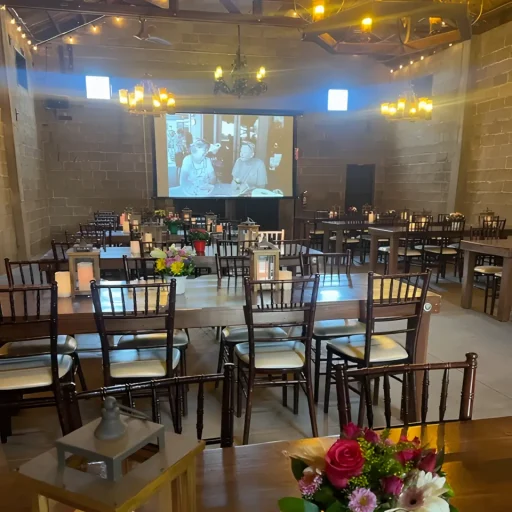
The choice of location can greatly affect the atmosphere and experience of a celebration.
Choosing the Right Venue for Your Event
Home Gatherings: Intimate settings foster closeness. Public Venues: Larger spaces accommodate more guests but may lack personal touches. Outdoor Locations: Nature enhances beauty but requires contingency plans for inclement weather.Dress Codes: How Attire Reflects Culture
What you wear often speaks volumes about your cultural background during celebrations.
Traditional Attire Across Cultures
Examples include:
- Kimono (Japan) during traditional ceremonies Dashiki (West Africa) worn at festive occasions
The attire chosen reflects personal style while paying homage to cultural traditions.
Unique Celebration Practices Around the World
Across continents, regions have distinct ways they celebrate significant events.
Notable Global Celebrations
Day of the Dead (Mexico): A colorful tribute honoring deceased loved ones. Holi (India): The festival of colors celebrating spring's arrival with vibrant powders and festivities. Midsummer (Sweden): A celebration marked by flower crowns and dancing around maypoles.Each offers insights into how different societies approach life's significant moments differently yet meaningfully.
Technology’s Impact on Modern Celebrations
With advancements in technology reshaping communication methods globally, our ways of celebrating have also evolved significantly over recent decades:
Virtual Gatherings: A New Norm?
In today’s digital age:
- Live-streaming services allow friends from afar to partake in special occasions virtually.
This innovation has expanded who can participate in important life events while creating new memories despite physical distance!
FAQs
Q1: Why do different cultures celebrate differently? A1: Cultural values shape how communities honor milestones; factors such as history, religion & social norms influence these practices uniquely across regions!
Q2: What role does food play in celebrations? A2: Food serves as both sustenance & symbol! It brings people together fostering connection while offering flavors reflecting each culture’s identity!
Q3: How do rituals enhance celebratory experiences? A3: Rituals infuse meaning into events allowing participants to engage deeply with their emotions & shared histories enhancing collective memory creation!
Q4: Can modern technology change traditional celebration practices? A4: Absolutely! Virtual gatherings enable participation beyond geographical barriers introducing new dynamics without losing essence!
Q5: What themes are commonly used for festive occasions? A5: Popular themes range from cultural heritage showcasing history through decor/activities to seasonal themes celebrating nature's cycles providing creative frameworks!
Q6: What significance do dress codes hold during ceremonies? A6: Dress codes convey respect while representing cultural identity allowing individuals express themselves while honoring traditions on special days!
Conclusion
Celebrating life's milestones is universal; however, the ways we do so vary dramatically across cultures! Each tradition offers us insight into human experience—highlighting connections forged between families & communities while creating lasting memories filled with joy or remembrance alike! Whether through music-filled festivities or solemn tributes honoring lost loved ones—understanding these diverse practices fosters appreciation towards our shared humanity enriching personal narratives alongside those encountered along this journey called life!